Drink Water, Drink Healthy
February 29, 2020

Smile! February is National Children’s Dental Health Month (NCDHM)

To some, February might mean valentines and chocolate, there’s another reason February is so special: National Children’s Dental Health Month.

It is time to increase awareness about kids’ dental hygiene. By:

Taking some time to talk to your kids about dental health — and even scheduling a dental checkup — you set a good example and precedent for the rest of the year.

Developing good dental health habits at an early age, including scheduling regular dental visits, helps children get a good start on a lifetime of healthy teeth and gums.

This year’s campaign slogan is Fluoride in water prevents cavities! Get it from the tap!

As we know in certain regions of Kenya, the fluoride levels in water are extremely high.

The optimum levels recommended are 0.7ppm. If you are not sure, you can send a sample of your water for testing to ensure that you and your family are consuming ( cooking and drinking) healthy levels of fluoride.

1. Schedule an Appointment

One of the best ways you can celebrate the theme for February is to schedule an appointment at your dentist’s office.

Regular cleanings should happen every 6 months, and the more exposure to the dentist that you give your kids, the more comfortable they’ll be when they visit the office.

2. Buy New Toothbrushes

Did you know that you’re supposed to replace your toothbrushes every 3 to 4 months?

Frayed bristles decrease the effectiveness of a toothbrush.

National Children’s Dental Health Month is the ideal time to toss out old toothbrushes and grab some new ones.

Let your kids pick out toothbrushes with their favorite characters on them and toothpaste that they’ll like to use and to get them excited about their regular hygiene routine.

avoiding-dentists-is-dangerous
January 27, 2020

Read on to find out why many of the most common excuses for avoiding the dentist are misguided and even dangerous.

It is too Expensive

Many people avoid the dentist because they think it’s too expensive, either because they don’t have dental insurance, or they don’t feel they can afford dental care.

When you are avoiding the dentist due to fear of the cost, it’s important to understand that the longer you wait to receive dental care, the worse and thus more expensive your problems will become.

Even if you don’t have any problems currently, preventative care is much less expensive than emergency care or treatments for serious dental problems that could have been caught and treated more easily through routine checkups.

The bottom line here is that avoiding the dentist due to fear of the cost will probably end up costing you more in the long run.

Fear of the Dentist

Going to the dentist is not usually fun for most.

However, some people get more stressed about the dentist than others.

When you avoid the dentist’s serious oral health problems, heart disease and stroke can occur. Heart disease and stroke have been linked to gum disease, which is prevalent in people who avoid the dentist.

However, if you suffer from dental anxiety or phobia, we go the extra mile to ensure you are comfortable throughout your visit, whether you are here for a routine checkup or a dental procedure.

We are also great listeners and won’t rush through anything.

We’ll talk with you and ensure you fully understand everything before beginning.

We will not make you feel horrible no matter how long it’s been since you last saw a dentist or how much work you may need.

We’re focused on your present and future and just happy we can help you get and stay healthy moving forward.

I am not hurting right now, everything is fine in my mouth.

It is Great!! that you are not in pain right now.

However, it doesn’t mean there’s not something wrong, especially if you haven’t seen a dentist in a while.

For example, if you catch a cavity before it starts hurting, it probably means the cavity didn’t get deep enough to begin affecting the nerve.

The shallower a cavity is, the less time and anesthesia it usually requires to fill.

Additionally, it’s usually less expensive to fix. “An ounce of prevention is worth a pound of cure”

Baby teeth will just fall out, no need to do anything to them

This is a dangerous misconception.

Ensuring your children’s baby teeth remain healthy is the first step to ensuring their adult teeth are healthy.

Neglecting baby teeth today could end up costing your child a lot of pain and a lot of money in the future.

Additionally, practicing good oral hygiene from a young age creates healthy habits that last into adulthood.

Still, need some convincing?

Here are some common complications that occur when baby teeth are neglected:

  1. When adult teeth begin to come in, they are guided by the roots of the baby teeth. If there are no roots present due to tooth decay and loss, the adult teeth are likely to come in crooked. This may cause children to become self-conscious about their smile, and lead to future mis-alignments
  2. Children who do not see the dentist during childhood often practice poor oral hygiene in adult life.
  3. Children who suffer from pain due to neglected oral hygiene have a hard time eating well, concentrating, and may experience trouble learning in school.

Baby teeth are important in a child’s speech development. Children who lose their baby teeth early due to tooth decay may develop speech problems.

To ensure you set your child up for a lifetime of oral health success, the American Association of Pediatric Dentistry recommends that children see a dentist as soon as their first tooth appears.

After that initial check-up, your trusted dentist can advise you on how often your child should have checkups based on their oral health.

However, a check-up every six months is usually the recommended routine.

I am too busy

We all lead busy lives, and sometimes life gets more chaotic than others.

But it’s important to make your oral healthcare and the oral healthcare of your family a priority.

Maintaining routine checkups for everyone will help prevent serious and potentially painful and costly and problems from developing in the future.

Advocate for your healthcare
December 14, 2019

YOU are your best manager of health and lifestyle! Be more involved with your health and become an advocate for your care. Before you begin any medical treatment, make sure you have over dosed yourself with information. Unfortunately patients are sometimes seen as an organ rather than an individual.

My Child’s tooth is loose
November 14, 2019

Usually a child’s 20 baby teeth, which typically come in by age 3, usually fall out in the order in which they came in. The lower center teeth are usually the first to go ~age 5 or 6. A baby tooth typically doesn’t loosen until the permanent tooth below pushes it up to take its place. Some kids lose their first tooth as early as 4 or as late as 7. If your child begins to lose teeth before 4, consult a dentist to make sure there are no underlying issues. It’s also possible for a child to reach 7 or 8 without losing any baby teeth but in such cases a dentist may need to take X-rays to assess the situation and rule out any problems. Most kids lose their last baby teeth around age 12 or 13.There’s nothing new about the use of sealants. Dentists have been placing them since the late 1960’s.

Dental Sealants explained
October 14, 2019

A dental sealant is a thin plastic coating (clear or white) that’s bonded into the pits and grooves of a tooth. They’re most frequently placed on the chewing surface of teeth (where most of a tooth’s grooves lie).
There’s nothing new about the use of sealants. Dentists have been placing them since the late 1960’s.

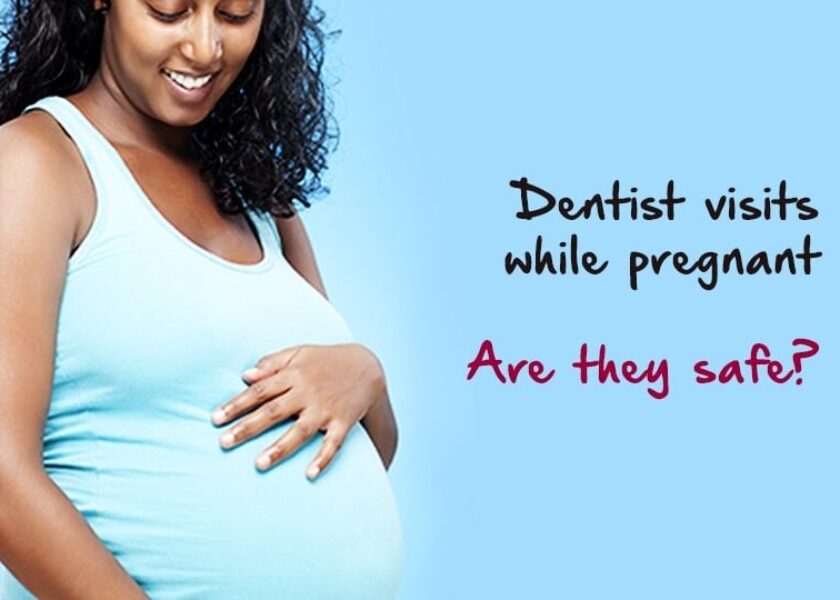
Dental Visits during Pregnancy is SAFE!
September 14, 2019

Preventive dental cleanings and annual exams during pregnancy are not only safe, but are recommended. The rise in hormone levels during pregnancy causes the gums to swell, bleed, and trap food causing increased irritation to your gums. Preventive dental work while pregnant is essential to avoid oral infections such as gum disease, which has been linked to preterm birth.There’s nothing new about the use of sealants. Dentists have been placing them since the late 1960’s.

blog_01
August 19, 2019

Measles can be prevented by vaccination with the MMR vaccine. The vaccine is effective at preventing three diseases: measles, mumps, and rubella. The MMR vaccine is very safe and effective. Two doses of the MMR vaccine…

August 19, 2019

Measles can be prevented by vaccination with the MMR vaccine. The vaccine is effective at preventing three diseases: measles, mumps, and rubella. The MMR vaccine is very safe and effective. Two doses of the MMR vaccine…

blog_11
August 19, 2019

Measles can be prevented by vaccination with the MMR vaccine. The vaccine is effective at preventing three diseases: measles, mumps, and rubella. The MMR vaccine is very safe and effective. Two doses of the MMR vaccine…

blog_10
August 19, 2019

Measles can be prevented by vaccination with the MMR vaccine. The vaccine is effective at preventing three diseases: measles, mumps, and rubella. The MMR vaccine is very safe and effective. Two doses of the MMR vaccine…