June 15, 2024

ROLE OF DIET IN ORAL HEALTH

In this video, discover how your diet impacts your oral health.

Learn about the foods that promote strong teeth and gums, and those that can harm your dental health.

Our experts provide practical tips on maintaining a balanced diet to support a healthy, radiant smile.

Watch now to take a proactive step towards better oral care through nutrition.

Don’t forget to like, share, and subscribe for more professional dental insights!


One Padmore Place, 14th Floor George Padmore Rd, Off Marcus Garvey, Kilimani. +254 706 575 276​/ +254 792 457 291 info@dentalsmiles.co.ke www.dentalsmiles.com #OralHealth #HealthyEating #DentalCare #Nutrition #HealthySmile #DentalTips #PreventiveDentistry

June 15, 2024

IMPORTANCE OF BRUSHING AND FLOSSING FOR ORAL HEALTH.

Maintaining good oral hygiene is crucial for a healthy smile and overall well-being.

In this video, we explore the essential practices of brushing and flossing, their role in preventing dental issues, and tips for effective techniques.

Join us to learn how these daily habits can protect your teeth and gums, ensuring a lifetime of optimal oral health.

Don’t forget to like, share, and subscribe for more expert dental advice!


One Padmore Place, 14th Floor George Padmore Rd, Off Marcus Garvey, Kilimani. +254 706 575 276​/ +254 792 457 291 info@dentalsmiles.co.ke www.dentalsmiles.com

#OralHealth #Brushing #Flossing #DentalCare #HealthySmile #DentalTips #PreventiveDentistry

WhatsApp Image 2024-05-25 at 12.00.33
May 25, 2024

As we recognize Mental Health Awareness Month this May, it’s important to understand the connection between mental health and oral health. These two aspects significantly impact each other, and we should explore practical measures to promote overall well-being.

How Mental Health Affects Oral Health
Quality of Life and Social Interactions;
Oral health can reduce quality of life, leading to difficulty eating, speech challenges, low self-esteem, and reduced social interactions, which can worsen mental well-being. Anxiety related to dental care often leads people to avoid regular check-ups, resulting in chronic oral pain. This pain, in turn, affects mental health and the management of mental health conditions.

Nutrition and Dental health;
Mental illness symptoms can impact nutrition. Poor dietary choices affect oral health, leading to conditions like tooth decay and gum diseases.
Individuals with mental health conditions may struggle to maintain effective daily dental care routines, further compromising their oral health.

Specific Dental Conditions in Patients with Mental Health Disorders:
. Tooth Decay: Common in those with psychiatric conditions.
. Gum Diseases: Periodontal issues impact overall health.
. Dry Mouth (Xerostomia): Linked to anxiety and certain medications.
. Teeth Grinding (Bruxism): Can damage teeth and cause jaw pain.

Practical Steps for Prevention and Treatment
1. Regular Dental Visits.
Overcome dental anxiety by maintaining regular check-ups. Consistent preventive care is essential.
Address any oral pain promptly to prevent its impact on mental health.
2. Effective Daily Care:
Encourage a consistent dental routine: brushing twice a day with fluoride toothpaste and flossing.
Educate patients about proper brushing techniques to avoid enamel damage.
3. Healthy Lifestyle Choices:
Smoking and Alcohol: Highlight the harmful effects of tobacco and excessive alcohol consumption on oral health.
4. Nutrition: Emphasize balanced diets rich in vitamins and minerals for overall well-being.

Book an appointment with us today! Our experienced team is dedicated to your oral health. Visit our website at www.dentalsmiles.co.ke or call us at 0792457291 or 0706575276. Prioritize your smile and mental well-being 🦷💚

DSK Preventive Dentistry-04
November 7, 2023

At Dental Smiles, we embrace preventive dentistry in our approach towards oral health. We focus on maintaining good oral health through preventing dental issues before they develop.

Our emphasis is to promote healthy habits through regular dental care and patient education with the primary goal of preventive dentistry to minimize the need for restorative and corrective dental procedures through;

  1. Oral Hygiene Education:

This is the primary stage of our processes as you come in for check up. We have an experienced oral hygeinist passionate about educating you on proper oral hygiene practices, such as regular brushing (at least twice a day) and flossing (once a day) and the importance of using fluoride toothpaste and mouthwash.

Our inhouse dental hygienist proffesionally removes plaque, tartar (hardened plaque), and stains from your teeth which helps prevent gum disease and tooth decay.

Oral Hygeine education includes advising you on a balanced diet and its impact on oral health. Reducing sugary and acidic food and drinks can help prevent cavities.

  1. Regular Dental Check-Ups:

Be sure to visit our clinic for routine check-ups and cleanings, typically every six months. During these visits,  we are able to detect and address dental issues early, including cavities, gum disease and oral cancer.

Periodic dental X-rays and other diagnostic tests that we perform inhouse help detect hidden dental problems that may not be visible during a clinical examination. One more reason why you want to check in with us.

  1. Dental Sealants:

Application of dental sealants, especially on the molars and premolars, to protect the chewing surfaces from cavities. Sealants act as a barrier against bacteria and food particles. How about we start with your little ones. They can always thank you later.

  1. Oral Health Assessments:

Comprehensive evaluations of oral health, including assessing the condition of teeth, gums, tongue, and soft tissues.

Identifying and addressing issues like gum disease, tooth decay, oral cancer, and malocclusions (bite problems).

  1. Mouthguards and Sports Dentistry:

Recommending mouthguards for athletes to prevent dental injuries during sports activities.

Preventive dentistry is essential for people of all ages, as it helps maintain healthy teeth and gums, reduces the risk of oral diseases, and can potentially save you from more extensive and costly dental treatments in the future.

It’s crucial in promoting overall well-being by emphasizing the importance of oral health as part of a holistic approach to healthcare.

Got a dentist? We’ve got you covered. Call us on 0706 575 276, DM us on any of our socials or use our website to book an appointment today. 

Looking forward to partner with you towards a fulfilling oral health experience.

#preventivedentistry

Kids Early Stage Dentistry Tips and Benefits
September 14, 2023

Kids Early Stage Dentistry Tips and Benefits

Teaching your little ones about dental health from a young age is key to preventing dental issues later on. Here are some fun and easy ways to keep those smiles sparkling:

1. Brushing Buddies: Make brushing a family affair. Brush your teeth together, and let your kids pick out their favorite toothbrush and toothpaste with fun flavors.

2. The 2×2 Rule: Encourage them to brush for two minutes, twice a day. Play their favorite song or use a timer to make it enjoyable.

3. Superhero Swish: Introduce them to mouthwash as a superhero rinse to fight off “bad guys” (germs) in their mouths.

4. Healthy Snacking: Choose tooth-friendly snacks like fruits, veggies, and cheese. Limit sugary treats to special occasions.

5. Water is the Way: Replace sugary drinks with water, which not only quenches thirst but also helps rinse away food particles.

6. Regular Checkups: Schedule regular visits to the dentist. Make it an adventure, and let them know it’s a chance to show off their super clean teeth.

7. Tooth Fairy Tales: Share stories about the Tooth Fairy to make losing teeth exciting, not scary.

8. Lead by Example: Children often mimic their parents, so demonstrate good dental habits in front of them.

Remember, prevention is the key to a lifetime of healthy smiles! ???? #KidsDentistry #HealthySmiles

The Importance of Dental Care for Dads
July 3, 2023

Being a father is a joyful but difficult position. In taking care of their families, they make sure there’s food on the table, bills are paid, everyone’s health is in check and the list is endless. But one thing that many dads don’t always think about is taking care of their oral health. That might be because they don’t realize how important oral health is for their overall well-being.

In this article, we explore why dental care is so important for dads and how they can improve their oral health routine, as well as the critical role fathers play in inspiring excellent dental hygiene practices in their children.

Why Dental Care is So Important for Dads

Well, according to the American Dental Association (ADA), men are more likely than women to develop gum disease. They are more likely to smoke and use other tobacco products, which can cause serious damage to the teeth and gums. Dads are more likely to have jobs that expose them to harmful chemicals or materials that can cause tooth decay or gum disease.

Taking care of your teeth will also set a good example for your kids. They’re watching you and learning from you. Showing them that taking care of your teeth is important, is a lesson they will carry with them for the rest of their lives.

Ways in which Dads can maintain healthy oral practice

Priorities Self-Care

As a father, you must prioritize your oral health, as it is also connected to your overall health.

This is because the mouth is full of bacteria. When these bacteria get into your bloodstream, it can cause inflammation and lead to diseases such as heart disease, stroke, and diabetes. In other words, if you have good oral health, you are more likely to enjoy good overall health. On the other hand, if you have poor oral health, you are at a higher risk of developing serious health problems. Taking care of your dental health benefits not just your mouth but also your confidence and entire well-being.

Maintain a Healthy Diet

It might be tempting to rely on convenience meals that are typically rich in sugar and harmful to dental health in between busy schedules. Instead, make a joint effort to eat a well-balanced diet rich in fruits, vegetables, lean meats, and whole grains. Sugary foods and drinks should be avoided since they lead to tooth decay. A healthy diet benefits both your general health and your oral health.

Create an Oral Health Routine

Make time for everyday oral care procedures such as brushing your teeth twice a day for two minutes each time and flossing regularly.

Additionally, keep up with regular dental check-ups and cleanings. Your whole body will thank you.

Encourage your children to participate in their oral care. Teach them correct brushing and flossing procedures, and make sure they understand the necessity of keeping excellent oral hygiene. To make the process more enjoyable for kids, use age-appropriate toothbrushes, toothpaste, and floss. You encourage your children to take responsibility for their dental health by incorporating them into their oral care procedures.

Dental Clinic for Dads

Looking for a dentist that is dad-friendly Dental Smiles for Kids and Adults is the place to be for you and the entire family. We offer overall family dentistry in a fun and convenient environment that meets the needs of every member of the family.

Additionally, we are conveniently located at One Padmore Place, Kilimani with ample and secure parking available. So why wait? Schedule a visit today, let’s floss your smile and that of your entire family.

Dental Smiles Cosmetic Solutions.
June 9, 2023

Confidence is the inner knowledge that you can face your challenges. It is that unwavering belief in yourself that propels you forward, allowing you to conquer any obstacles that come your way. But sometimes, our confidence can take a hit due to certain dental issues. Discolouration, misalignment, or even fluorosis can affect the appearance of our teeth and make us feel self-conscious about our smiles.

At Dental Smiles we understand the importance of a confident smile. We believe that everyone deserves to feel proud of their teeth, and we are here to help you achieve that. Our team of skilled dental professionals specializes in cosmetic dentistry solutions that are designed to address a wide range of dental issues, helping you regain your confidence and bring it back to its full potential.

Teeth discolouration is a common problem that many people face. Whether it’s due to lifestyle habits like smoking or drinking coffee, or simply the natural aging process, discoloured teeth can significantly impact your self-esteem. Our dental cosmetic solutions include professional teeth whitening treatments that can effectively eliminate stains and restore the brightness of your smile. With our advanced whitening techniques, you can confidently showcase your pearly whites and feel great about your appearance.

Misaligned teeth can also be a source of insecurity for many individuals. Crooked or crowded teeth not only affect the aesthetics of your smile but can also lead to oral health issues such as difficulty in cleaning or uneven wear. Our dental clinic offers various orthodontic options, including traditional braces and clear aligners like Invisalign, to straighten your teeth discreetly and efficiently. Our orthodontic specialists will create a personalized treatment plan to gradually shift your teeth into their proper positions, giving you a beautifully aligned smile that radiates confidence.

Furthermore, fluorosis, a condition caused by excessive fluoride intake during tooth development, can result in white or brown stains on the teeth. If you’re struggling with fluorosis, don’t worry – we have the expertise to address this issue as well. Our dental professionals will assess the severity of the fluorosis and recommend appropriate treatments, such as dental bonding or veneers, to improve the appearance of your teeth and restore your self-assurance.

At Dental Smiles, we prioritize your satisfaction and well-being. We strive to provide a comfortable and welcoming environment where you can openly discuss your dental concerns and goals. Our highly trained team will work closely with you to develop a personalized treatment

t plan that caters to your unique needs and desires. We utilize state-of-the-art technology and the latest advancements in cosmetic dentistry to ensure exceptional results and a positive experience throughout your dental journey.

Don’t let dental issues hold you back from embracing life with confidence. Contact us today to schedule a consultation and take the first step towards reclaiming your self-assurance. Together, we’ll transform your smile and empower you to face the world with renewed confidence – because you deserve it.

feb
February 19, 2021

February is National Children’s Dental Health Month

The February 2021 National Children’s Dental Health Month is brought to you by the ADA. This month-long national health observance brings together thousands of dedicated professionals, healthcare providers, and educators to promote the benefits of good oral health to children, their caregivers, teachers and many others.

NCDHM raises awareness of how important it is for children to develop good oral habits at an early age to ensure a lifetime of healthy smiles. The American Academy of Pediatric Dentistry (AAPD) regularly recommends that children receive their first dental exam no later than one year of age to head off potential early dental problems.

What happens during a routine dental check up?

  •  Routine Checkups -your dentist will check all of your child’s existing teeth for decay, examine your child’s bite, and look for any potential problems with the gums, jaw, and oral tissues.
  •  Nutrition and Diet Guidance – your dentist will advise parents on children’s diet, exercise, and disease preventive measures for good oral health.
  •  Advice and Tips for Parents – offer children and their parents’ instruction on cleaning and flossing teeth
  •  Basic child dentistry procedures (if need be) – Such as X-Rays, Fillings, Sealants, Fluoride Treatments, and Braces.

Here are some of the dental tips for parents.

  •  Visiting the dental clinic during pregnancy is safe -This ensures that you as the carrier is healthy orally and if needed follow up care will be administered
  •  Never share your toothbrush with another person -This is to avoid the spreading of cavities and diseases. It is also important to replace your toothbrush regularly.
  • Bleeding gums are not caused by brushing rather by gum disease therefore protect against gum disease by brushing with a soft-bristle toothbrush, flossing, and visiting the dentist regularly.
  • Fluoridated water is safe for it keeps the teeth strong so don’t be afraid to drink or give your kids fluoridated water.

What Happens at the First Dental Visit?

We recommend taking your child for a dental visit within 6 months of the first tooth coming in (erupting), or by about 12 months at the latest. At this time, the dentist can give you information on:

  • Baby bottle tooth decay
  •  Infant feeding practices
  • Mouth cleaning
  • Teething
  • Pacifier habits
  • Finger-sucking habit

The first visit is usually a short visit lasting between 30 to 45 minutes. During the visit, your dentist will do the routine check on your child. If need be, the dentist or hygienist will clean any teeth and assess the need for fluoride.

This includes polishing teeth and removing any plaque, tartar, and stains. The dentist may show you and your child proper home cleaning such as flossing, and advise you on the need for fluoride. The dentist may also recommend X-rays to diagnose decay, depending on your child’s age. X-rays are also used to see if the root of a jammed baby tooth may be affecting an adult tooth. In general, it is best that young children not have dental X-rays unless needed. Lastly, they will educate the parents about oral health care basics for children and discuss dental developmental issues and answer any questions.

 Tips to Protect your children’s teeth at home

Here are some tips to protect your children’s teeth:

  • Before teeth come in, clean gums with a clean, damp cloth.
  • Start brushing with a small, soft-bristled toothbrush and a very small amount of toothpaste (the size of a grain of rice) when your child’s first tooth appears. Use a pea-sized dab of fluoridated toothpaste after 3 years of age. This is when the child is old enough to spit out the toothpaste after brushing.
  •  Prevent baby bottle tooth decay. Don’t give children a bottle of milk, juice, or sweetened liquid at bedtime or when put down to nap.
  • Limit the time your child has a bottle. Your child should empty a bottle in 5 to 6 minutes or less.
  • Help your child brush his or her teeth until age 7 or 8. Have the child watch you brush, and follow the same brushing pattern to reduce missed spots.
  • Limit foods and treats that increase tooth decay. This includes hard or sticky candies, fruit leather,sweetened drinks and juice. Offer fruit rather than juice. This is because the fiber in fruit tends to scrape the teeth clean unlike juice which just exposes the teeth to sugar.

Braces
November 10, 2020

What Are Braces?

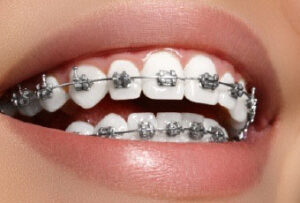
Teeth Braces / Dental Braces are dental tools that help correct; crowding, crooked, or misaligned teeth. Most people get braces in their teenage years, but adults can get braces too. Braces slowly straighten and align your teeth.

If you have crooked teeth or a misaligned bite ( underbite or overbite), there are a variety of treatments that can help straighten your smile, including braces and retainers,custom-made, removable or fixed tools that cover the outside of your teeth and help keep them in position.

You might only need a removable retainer. If you have an extreme overbite or underbite, you could need surgery. But most people need braces.

Types of Braces

At Dental smiles General Dentistry for Kids/ Parents we strive to offer the widest possible variety of treatments to our clients. You can be confident that you’ll find a treatment option here that fits your dental needs, your preferences, and your lifestyle. These are the different types of braces that are available to you:

Traditional metal braces

Even though traditional metal braces have been around for a long time, they are far from outdated; in fact, they are more comfortable and effective than ever before. Metal braces use stainless-steel, brackets and wires to apply pressure to each individual tooth, gradually coaxing your teeth into a healthy alignment and giving you a perfect,bold and beautiful smile. In addition, rubber elastics connecting the upper and lower braces help correct the alignment of your jaws. If you want a personalized touch, the elastics can be switched out to give your smile a dash of color.

Self-ligating braces

Self-ligating braces are very similar to traditional braces in both design and function. The major difference between traditional and self-ligating braces is that self-ligating braces do not use elastics. Instead of elastics, self-ligating braces use special clips to maintain alignment. Since elastics require frequent replacement and adjustment, choosing self-ligating braces will mean less maintenance, fewer check-ups, and shorter visits to the dentist.

Ceramic braces

If you would prefer your braces to be less prominent, ceramics might be a great option for you. The use of ceramic material allows the brackets to be clear or matched to the natural color of your teeth. Ceramic braces are larger and more brittle than their metal counterparts, however, they may not be a great choice for very young patients. For teens and adults, on the other hand, they deliver excellent results.

Clear aligners

For those who want a truly invisible solution, clear aligners are the way to go. Removable plastic trays are placed on both rows of your teeth to straighten your smile. The trays are removed for eating, brushing, and flossing, meaning that they will not impact your daily activities as deeply as braces do.  


How Do Braces Work?

Braces work by putting pressure on your teeth over a period of time to slowly move them in a specific direction. The jaw bone changes shape, too.

Braces are made up of these things:

  • Brackets are the small squares that go on the front of each tooth. The dentist uses a special bonding agent or attaches them with orthodontic bands. Brackets act like handles, holding the arch wires that move your teeth. There are several types of brackets, including stainless steel and tooth-colored ceramic or plastic. Dentists use these a lot because they’re harder to see. Sometimes the dentist will cement brackets to the backs of your teeth, in order to hide them from view.
  • Orthodontic bands are stainless steel, clear, or tooth-colored materials cemented to your teeth. They wrap around each tooth to provide an anchor for the brackets. The clear or tooth-colored bands look better, but they also cost more than stainless steel. Not everyone gets bands. Some people have only brackets and no bands.
  • Spacers fit between your teeth to create a small space for the orthodontic bands.
  • Arch wires attach to the brackets and act as tracks to guide the movement of your teeth. Some arch wires are made of metal. Others are clear or tooth-colored.
  • Ties are small rubber rings or fine wires that fasten the arch wire to the brackets. They can be clear, metal, or colored.
  • A buccal tube on the band of the last tooth holds the end of the arch wire securely in place.
  • Tiny elastic rubber bands, called ligatures, hold the arch wires to the brackets.
  • The orthodontist may place springs on the arch wires between brackets to push, pull, open, or close the spaces between your teeth.
  • Elastics or rubber bands attach to hooks on the brackets. They go between your upper and lower teeth in various ways. They apply pressure to move your upper teeth against the lower teeth to achieve a perfect fit.


Another method of straightening teeth uses removable plastic retainers. This may also work if your teeth aren’t too crowded. Your orthodontist will discuss the various types of braces with you and figure out which option is best.


tooth decay or cavities
October 5, 2020

What is tooth decay / Cavities?

Cavities are permanently damaged areas in the hard surface of your teeth that develop into tiny openings or holes. Cavities, also called tooth decay or caries, are caused by a combination of factors, including bacteria in your mouth, frequent snacking, sipping sugary drinks, and not cleaning your teeth well.

Cavities and tooth decay are among the world’s most common health problems. They’re especially common in children, teenagers, and older adults. But anyone who has teeth can get cavities, including infants. If cavities aren’t treated, they get larger and affect deeper layers of your teeth. They can lead to severe toothache, infection, and tooth loss. 

What are the symptoms of tooth decay?

The most common symptom of tooth decay is tooth pain. But pain isn’t always present when tooth decay is. Other possible indicators of tooth decay include:

  • Gum swelling in the vicinity of a particular tooth.
  • Chronic bad breath.
  • Tooth discoloration; in particular, brown or black spots on the teeth.

What causes tooth decay?

Tooth decay is mainly caused by plaque, which is a sticky film that is constantly forming over the teeth. Bacteria is abundant in plaque. When you eat– and particularly when you indulge in sugary foods– the bacteria in plaque feed on the sugars producing acids, which then eats away at the tooth’s enamel. Some people are more likely to have cavities than other people. Risk factors for tooth decay include:

  • Poor oral hygiene. Plaque is constantly forming on the teeth, good oral hygiene is crucial to preventing tooth decay. If you neglect to brush twice a day or regular flossing, you’re much more likely to develop cavities.
  • Overindulgence in sugary foods. The bacteria in plaque feed on sugars. Eating sugary food and drinks put you at a greater risk of developing tooth decay.
  • Dry mouth. It might seem odd that a dry mouth can lead to tooth decay, but saliva plays a major role in cavity prevention. Why? Saliva, the mouth’s natural lubricant, washes away remnant food particles. People with dry mouth don’t produce an adequate amount of saliva, which results in food particles and sugars being left behind on the teeth surface. Dry mouth can be caused by side effects of medications or by certain medical conditions.
  • Lack of fluoride. Fluoride is a naturally occurring mineral. Fluoride strengthens the tooth’s enamel, helping to protect it from decay-causing acids. Use fluoride-based toothpaste and drink plenty of water due to its rich fluoride presence. 
  • Smoking. It’s no secret that smoking is harmful to your oral health. Besides causing staining and putting you at an increased risk of developing gum disease, smoking causes plaque and tartar to build upon the teeth– thereby also increasing the risk of tooth decay.

Are you concerned that you might have a cavity? Don’t postpone a visit to your dentist any longer. The earlier you seek treatment, the less likely it is that your cavity will progress into a more serious oral health concern.